In a bustling startup incubator on the edge of Silicon Valley, a small team of engineers was once tasked with a Herculean job: scaling their fledgling platform to accommodate a sudden influx of users after a major product feature went viral. The adrenaline was palpable, and so was the tension. Hours stretched into days as they scrambled to keep servers running, patch vulnerabilities, and optimize performance. What should have been a moment of triumph felt more like a crisis management marathon.
If only they had the tools and practices that today’s DevOps engineers take for granted.
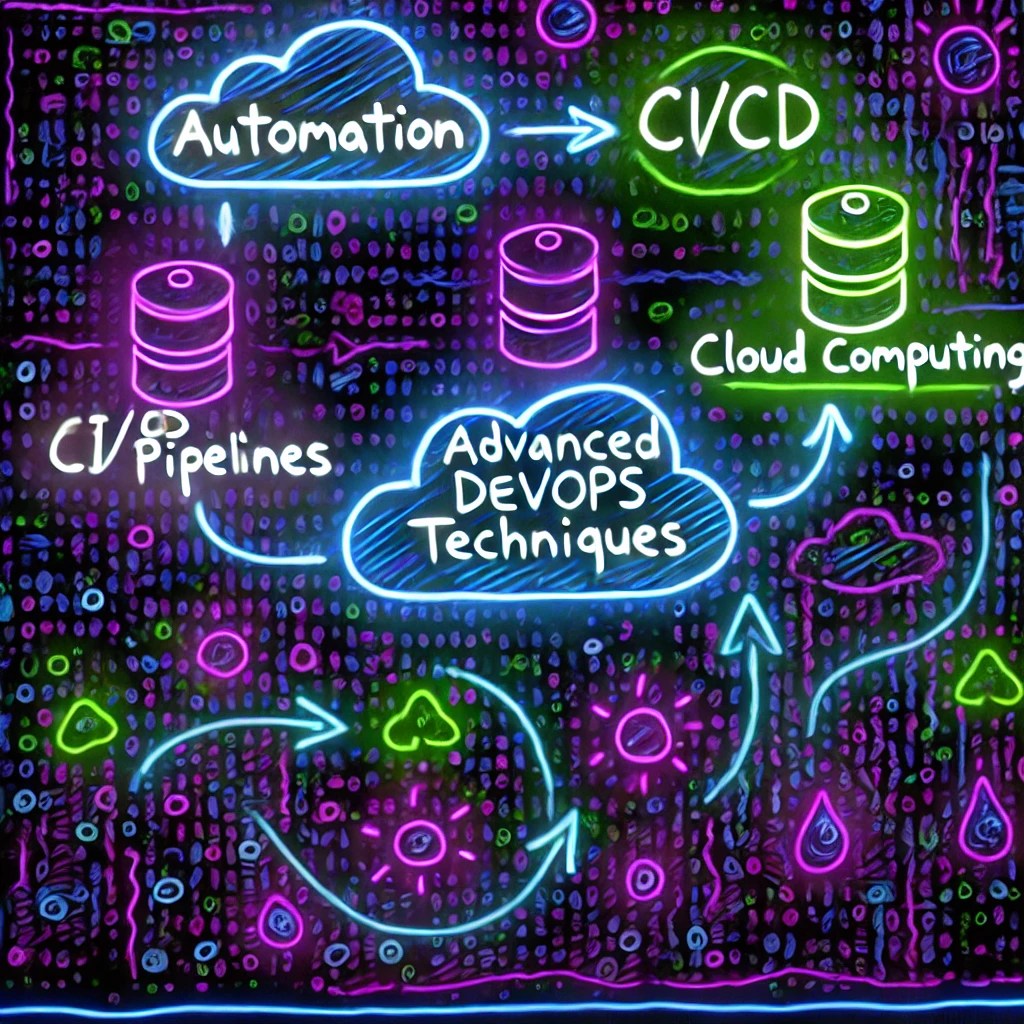
Fast forward a few years, and that same team would have navigated the storm with far more agility and composure, thanks to the advanced DevOps techniques now transforming the landscape of software development and IT operations. These techniques—Infrastructure as Code (IaC), Continuous Monitoring and Observability, Containers and Kubernetes, and DevSecOps—are not just industry buzzwords; they are the building blocks of a future where software delivery is faster, safer, and more reliable.
Infrastructure as Code (IaC): The Blueprint of Modern Infrastructure
At the heart of modern DevOps lies Infrastructure as Code (IaC), a practice that has revolutionized the way organizations manage their IT infrastructure. Gone are the days of manually configuring servers, networking equipment, and storage systems. Instead, IaC allows these resources to be provisioned, configured, and managed through machine-readable definition files—essentially, treating infrastructure the same way developers treat their application code.
The benefits of IaC are profound. By codifying infrastructure, teams can version control their configurations, roll back to previous states if something goes wrong, and automate the provisioning of environments. This not only accelerates the deployment process but also ensures consistency across different stages of the software development lifecycle.
For instance, consider an e-commerce company preparing for Black Friday, the biggest shopping day of the year. With IaC, they can automatically spin up hundreds of additional servers to handle the traffic surge, all while ensuring these servers are configured identically to those in their testing environment. This level of automation and consistency was unthinkable a decade ago.
But IaC is not without its challenges. It requires a cultural shift within organizations, as operations teams need to embrace practices traditionally associated with software development, such as version control and testing. Moreover, there’s a learning curve associated with the tools—such as Terraform, Ansible, or AWS CloudFormation—used to implement IaC. However, the long-term gains in efficiency, reliability, and scalability make it a no-brainer for organizations serious about DevOps.
Continuous Monitoring and Observability: Seeing the Unseen
Once the infrastructure is in place and applications are running, the next challenge is ensuring everything continues to function as expected. This is where Continuous Monitoring and Observability come into play, providing DevOps teams with the ability to detect and respond to issues in real-time.
Continuous Monitoring involves the regular, automated collection of metrics from infrastructure, applications, and services. These metrics—such as CPU usage, memory consumption, or network latency—are then analyzed to identify potential problems before they escalate into major incidents. For example, an unexpected spike in memory usage might indicate a memory leak, which, if left unchecked, could crash the application.
However, monitoring alone is not enough. Observability, a relatively newer concept, extends beyond mere monitoring by providing deep insights into the internal state of a system. This is achieved through three pillars: logs, metrics, and traces. Logs provide a detailed record of events that occurred within the system; metrics offer numerical data points that track performance over time, and traces follow the flow of a request through different services, revealing bottlenecks and latency issues.
Imagine a complex microservices architecture where a user’s request passes through dozens of different services before returning a response. If that response is slow or fails entirely, observability tools like Prometheus, Grafana, and Jaeger allow engineers to pinpoint exactly where the failure occurred and why. This level of visibility is crucial in a world where downtime can cost companies millions and erode customer trust.
Containers and Kubernetes: The Engines of DevOps Scalability
When it comes to building scalable and portable applications, few technologies have had as much impact as containers and Kubernetes. Containers, encapsulated environments that package code and its dependencies, allow applications to run consistently across different computing environments. Kubernetes, on the other hand, is the orchestration system that automates the deployment, scaling, and management of containerized applications.
The adoption of containers and Kubernetes has enabled DevOps teams to build applications that are not only scalable but also resilient. Because containers are lightweight and fast to deploy, they can be spun up or down in seconds, allowing applications to respond dynamically to changes in demand. Kubernetes further enhances this by automating many of the tasks associated with managing containers, such as load balancing, service discovery, and self-healing.
Consider a social media platform that experiences sudden surges in traffic during major events like a celebrity live stream. With Kubernetes, the platform can automatically scale its services to handle the increased load without manual intervention, ensuring a seamless user experience. This kind of elasticity is increasingly becoming a competitive differentiator in today’s digital economy.
However, mastering Kubernetes is no small feat. The learning curve is steep, and the complexity of managing a Kubernetes cluster can be daunting, especially for smaller teams. This has given rise to managed Kubernetes services like Google Kubernetes Engine (GKE) and Amazon Elastic Kubernetes Service (EKS), which take care of much of the operational overhead, allowing teams to focus on delivering value to their users.
Integrating Security into DevOps (DevSecOps): Shifting Left on Security
As DevOps practices mature, there’s a growing recognition that security cannot be an afterthought. This realization has led to the rise of DevSecOps, a philosophy that integrates security practices into every stage of the software development lifecycle.
In traditional software development, security checks often occurred late in the process, typically just before the application was released. This “bolt-on” approach to security is no longer viable in a world where cyber threats are constantly evolving, and the pace of software delivery has accelerated. DevSecOps addresses this by “shifting left,” embedding security practices into the earliest stages of development.
For example, automated security testing tools can be integrated into the CI/CD pipeline, scanning code for vulnerabilities every time a developer makes a commit. This not only catches security issues early when they are easier and cheaper to fix but also fosters a culture of shared responsibility for security across the development and operations teams.
Neoteriq OpsMaster, a leading DevOps platform, exemplifies this approach by offering integrated security features that seamlessly blend with existing DevOps workflows. By providing real-time alerts, automated compliance checks, and detailed audit trails, OpsMaster enables teams to maintain a robust security posture without sacrificing speed or agility.
Scaling DevOps Across Multiple Teams: The Path to Organizational Transformation
While the technical aspects of DevOps are crucial, scaling these practices across an organization presents its own set of challenges. As companies grow, they often struggle with maintaining consistency in their DevOps practices, leading to silos and inefficiencies.
One solution is to adopt a platform engineering approach, where a dedicated team builds and maintains shared DevOps tools and processes that can be used by multiple development teams. This centralization ensures that best practices are followed across the organization, while also providing the flexibility needed for individual teams to innovate.
Another approach is the establishment of a DevOps Center of Excellence (CoE), a cross-functional team tasked with promoting DevOps best practices, providing training, and driving cultural change. The CoE acts as a catalyst for transformation, ensuring that DevOps principles are embedded at every level of the organization.
The Business and Cultural Impact: Beyond Technology
The impact of advanced DevOps techniques extends far beyond the realm of technology. Businesses that successfully implement these practices gain a significant competitive advantage, thanks to faster time-to-market, improved customer satisfaction, and greater operational efficiency.
Moreover, the cultural shift brought about by DevOps—emphasizing collaboration, continuous learning, and shared responsibility—can have a profound impact on employee morale and retention. In an industry where talent is in high demand, companies that foster a DevOps culture are better positioned to attract and retain top talent.
However, with great power comes great responsibility. As organizations become more dependent on automation and continuous delivery, they must also be mindful of the potential risks, such as over-reliance on technology, the erosion of manual skills, and the ethical implications of deploying AI-driven systems.
Looking Ahead: The Future of DevOps
As we look to the future, it’s clear that DevOps will continue to evolve, driven by advancements in AI, machine learning, and automation. The next frontier may involve self-healing systems that can automatically detect and fix issues without human intervention, or predictive analytics that can anticipate performance bottlenecks before they occur.
For organizations looking to stay ahead of the curve, the key will be to remain adaptable and open to change. Whether it’s adopting new tools like Neoteriq OpsMaster, experimenting with emerging practices, or investing in the continuous education of their teams, the journey of DevOps is one of perpetual evolution.
Call to Action: Embrace the DevOps Revolution
The world of DevOps is dynamic and fast-paced, with new challenges and opportunities emerging every day. Whether you’re a seasoned DevOps engineer or just starting out, there’s always more to learn and explore. I encourage you to dive deeper into the techniques discussed here, experiment with new tools, and join the broader DevOps community in sharing knowledge and experiences.
The future is being built today, one line of code at a time. Will you be part of the revolution?
 Sustainable Cloud Ops
Leave a comment